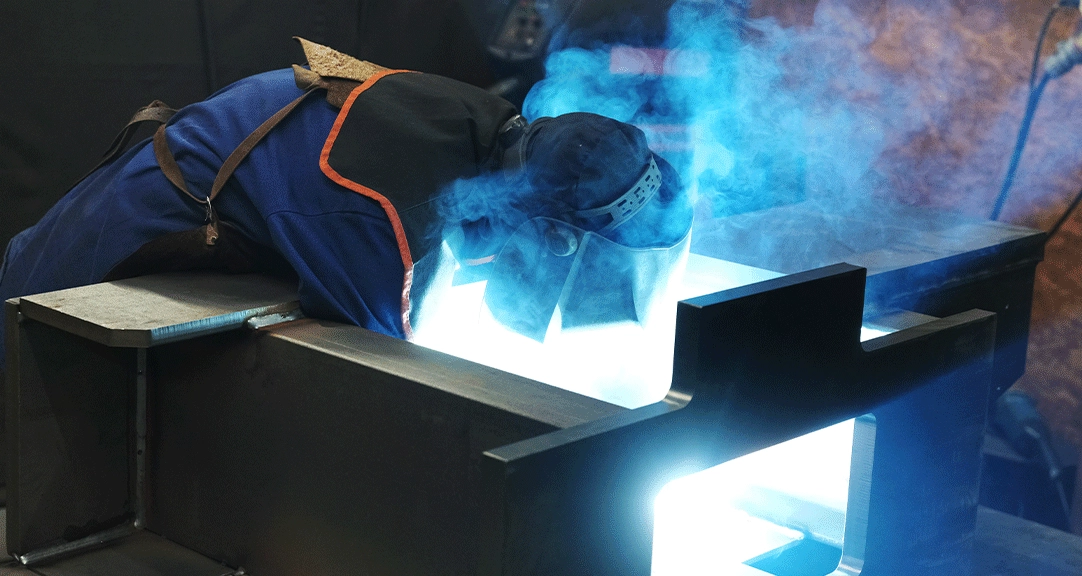
Modern manufacturing is no longer about monotonous mass production. Successful companies thrive on flexibility, continuous improvement, and the ability to respond quickly to market demands. An ERP system must therefore adapt to the company's needs—not the other way around.
Jaroslav Štefánek, Managing Director of JAP INDUSTRIES, knows this from firsthand experience. The K2 ERP system has been supporting the company's processes since 2016. One of the key reasons for choosing K2 was its ability to adapt to three distinct product pillars: "On the one hand, we're a small company, but on the other hand, we do a lot of things that are constantly changing. Our main goal is to do them extremely efficiently. That's completely different from large corporations with established mass-production processes that don't want to deviate from them. K2 was willing and able to modify standard systems to fit our specific needs," explains Jaroslav Štefánek.
A common challenge for growing companies is that accounting runs in one system while production is managed separately by individual managers, often using spreadsheets. The result is inventory chaos and a lack of visibility into work-in-progress production.
Marek Heřmanský, Managing Director of SVITAP, confirms that implementing K2 ERP brought structure and confidence to the company while enabling a seamless entry into an entirely new business segment:
"K2 helped us gain confidence in what we actually had in our company and warehouses. Before that, things were rather improvised. We only used a system for accounting, while production was managed independently by individual supervisors. We gained a realistic understanding of the state of production and everything connected with it. Today, I can say that our experience with K2 has significantly helped us even with the production and sale of Lomnice rusks. We entered a completely new industry, but thanks to our understanding of business processes, everything has worked perfectly."
Advanced Planning and Scheduling and the ability to monitor production line capacity in real time are essential for maximizing manufacturing efficiency. The goal is to minimize downtime, especially when switching production programs.
At Czech Aerosol, the company relies on the Production Manager module within K2. Chairman of the Board Marek Bohatý explains how they use data to optimize both human and machine capacities:
"We've been scheduling production through K2 for a long time, but recently we've focused heavily on the Production Manager module. We create an overall outlook for the next two months while also preparing detailed weekly production plans to ensure we're operating in the most efficient way possible. Over the years, we've learned exactly how long it takes to set up individual production lines for specific products and production campaigns. From there, it's essentially a matrix where X times Y applies—we try not to overload production lines by assigning the most demanding programs to all of them simultaneously, while maintaining production flow and a reasonable balance between permanent and external employees."
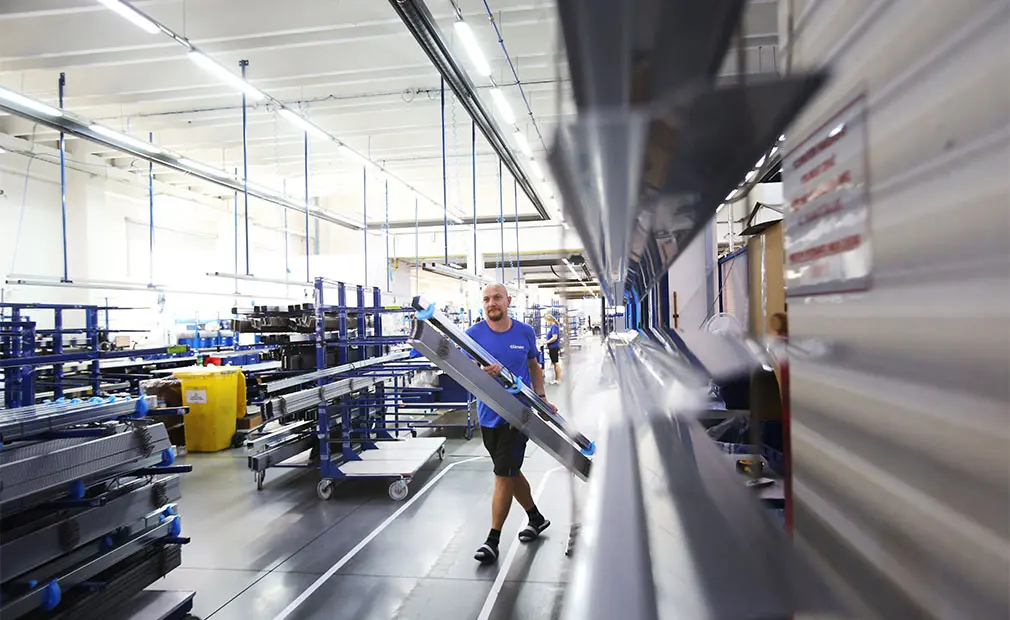
The concept of reducing waste—whether of materials, energy, or human labor—is a major focus throughout the manufacturing industry. Successful companies are replacing paper-based production documentation with digital terminals directly on the shop floor and integrating production with HR processes.
At KOVO-PLAZMA, the company integrated both online HR with attendance tracking for smooth employee onboarding and a fully digitalized workshop environment within K2. Aleš Berger describes the benefits of paperless operations: "Technical drawings are available digitally directly at workstations. By gradually eliminating printed production documentation, we are moving toward paperless manufacturing with online work queues managed through our MES system."
Paketo originally operated as a trading company. However, growing customer demand eventually pushed the company toward in-house production of non-standard orders. The company gradually invested in digital machinery capable of handling even small production runs—as few as 50 units, unlike many competitors.
"In 2024, we worked with K2 to align our key product categories—industrial fixings, packaging, and POS displays—and manufacture them with minimal manual intervention. We provided K2 with our ideal production workflow scenario. Looking back, it was one of the best decisions we could have made," explains Palo Lezo, CEO of Paketo."
When a salesperson enters an order into the system, they can immediately see the expected margin. We have real-time production data. Planning gives us complete visibility into material availability. Most importantly, we've reduced both internal and external complaints by 90%. We've doubled our production capacity without hiring additional staff or investing in new machinery."
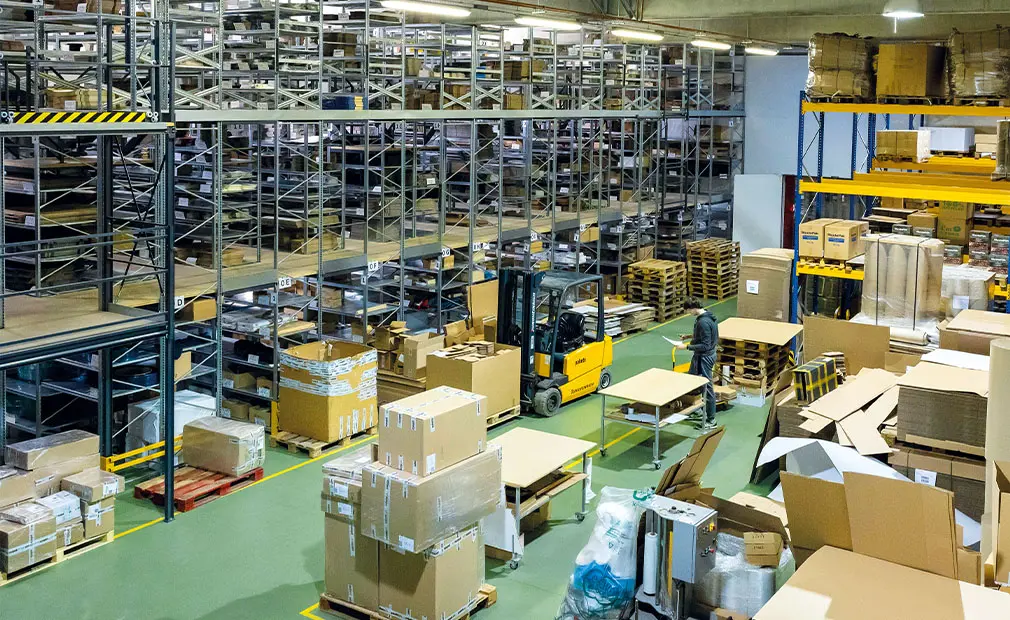
An ERP system should be more than just a data repository—it should be a management and reporting tool. Fast access to accurate information about costs and revenues enables executives to make informed strategic decisions.
Kateřina Nachtigallová, CFO of Big Shock, highlights this benefit and describes K2 as a powerful management tool:"K2 has finally become a true controlling tool for us. It allows us to plan investments and production with ease while evaluating investments down to the smallest detail. Thanks to K2, company owners can make decisions about future plans quickly and confidently."
Markets evolve constantly, and software must evolve with them. Regular updates and new functionalities should continuously move companies forward. Stable internal processes supported by an ERP system are also one of the strongest defenses against unexpected market disruptions.
Zdeněk Zubíček, Director of D PLAST, confirms that the versatility of K2 drives continuous optimization and helps the company navigate challenging situations:"Because of the system's frequent enhancements and overall flexibility, K2 keeps us alert and encourages us to continuously improve our internal processes in planning, production reporting, and production evaluation. Every upgrade brings valuable new features. Experience has taught us that when we implement them correctly, they save both time and effort."
"We constantly review and evaluate all of our processes, and wherever it makes sense, we automate and digitalize them. Despite that, business is still largely built on people and strong relationships with our key customers. That remains the best protection against any future crisis," concludes Zdeněk Zubíček.
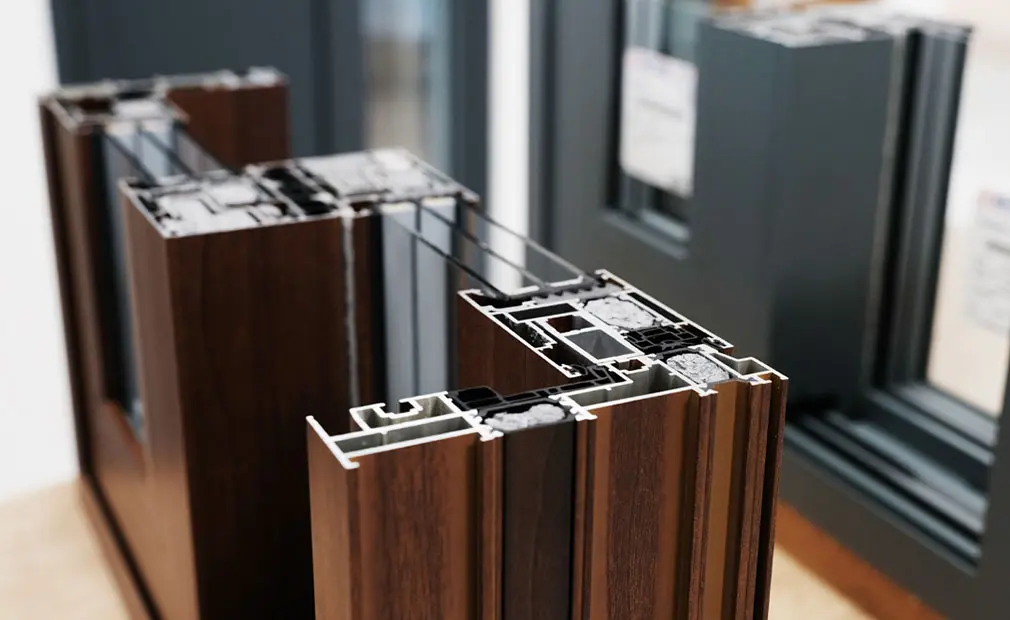
If you're selecting a new ERP system for your manufacturing business, focus on the capabilities that have proven successful for industry leaders:
